
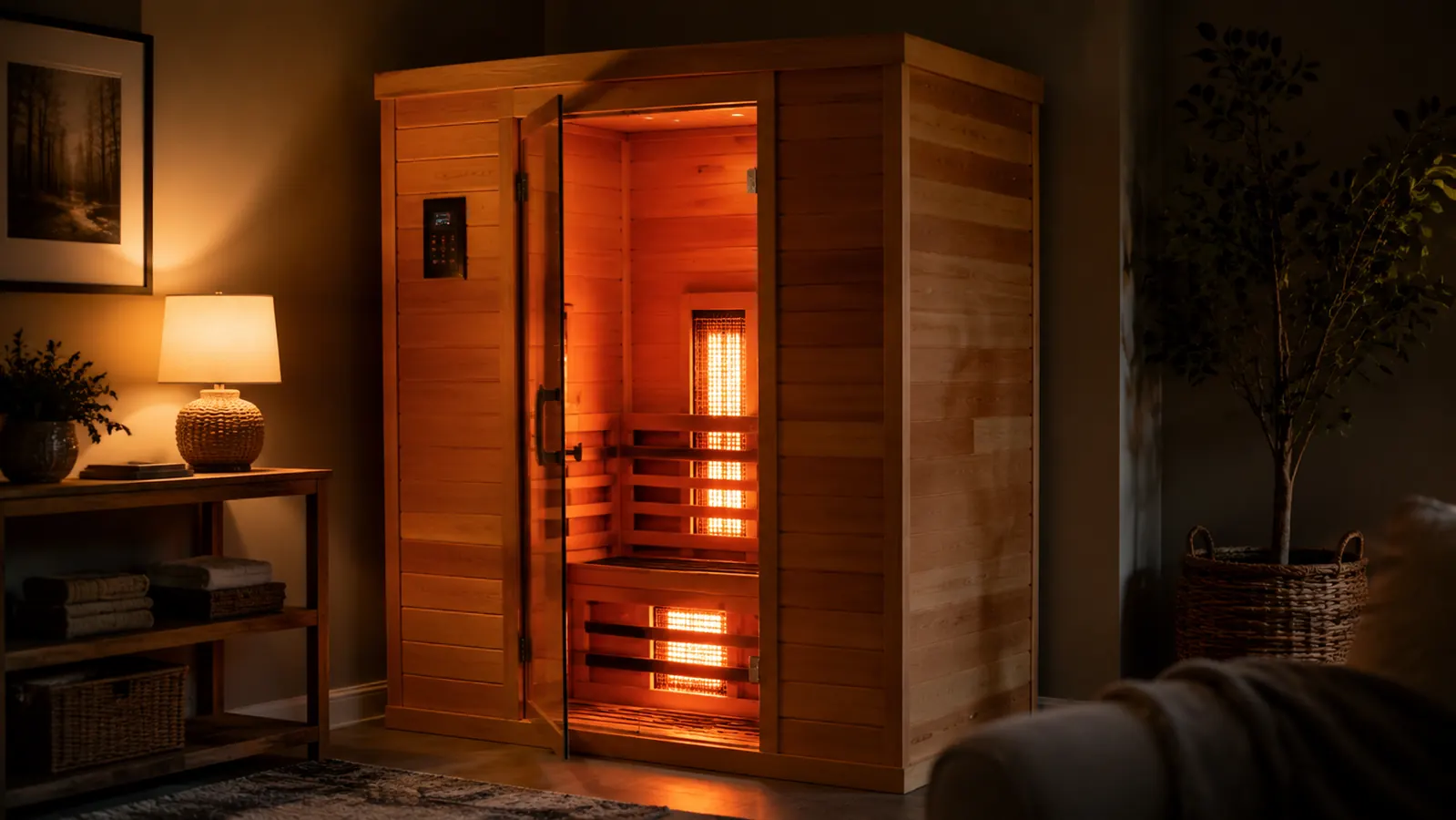
Every few weeks someone asks me the same question after they see the cabin sauna in my basement: would you have been just as happy with one of those portable steam tents instead? It's a fair question, because they solve for the same basic thing, a home sauna session without a home renovation, but the two get there in completely different ways. I've now put real months into both, the Heat Wave Radiant Saunas Harmony Deluxe cabin and a standard portable steam tent I borrowed from a neighbor for six weeks specifically to compare them side by side.
Short answer first, since I know that's what most people actually want: the Heat Wave cabin wins on heat quality, comfort during a session, and how much I actually used it once the novelty wore off. The steam tent wins on upfront cost and how little space it takes when it's packed away. Neither one is a bad purchase. They're just built for different priorities, and I'll walk through exactly where each one earned its spot.
How I Compared Them
I set the Heat Wave cabin up in a corner of my finished basement in early spring and used it four to five evenings a week for about two months before the steam tent ever entered the picture. Once I had a solid baseline for the infrared experience, I borrowed a neighbor's portable steam tent and ran it in the same corner, same time of night, same 30 minute session length, for six straight weeks. I wanted the comparison to be about the heat itself, not about one unit getting a nicer room or a more consistent routine.
I also tracked the boring stuff on purpose, because it's the boring stuff that decides whether something gets used in month six or shoved in a closet. Heat-up time, how the room smelled the next morning, how loud the generator or heating panels ran, and how many times I actually talked myself out of a session because setup felt like a chore. That last one turned out to matter more than anything on a spec sheet.
| Infrared Cabin Sauna | Steam Sauna | |
|---|---|---|
| Heat Type | Carbon fiber infrared panels, dry radiant heat | Wet steam from an electric generator |
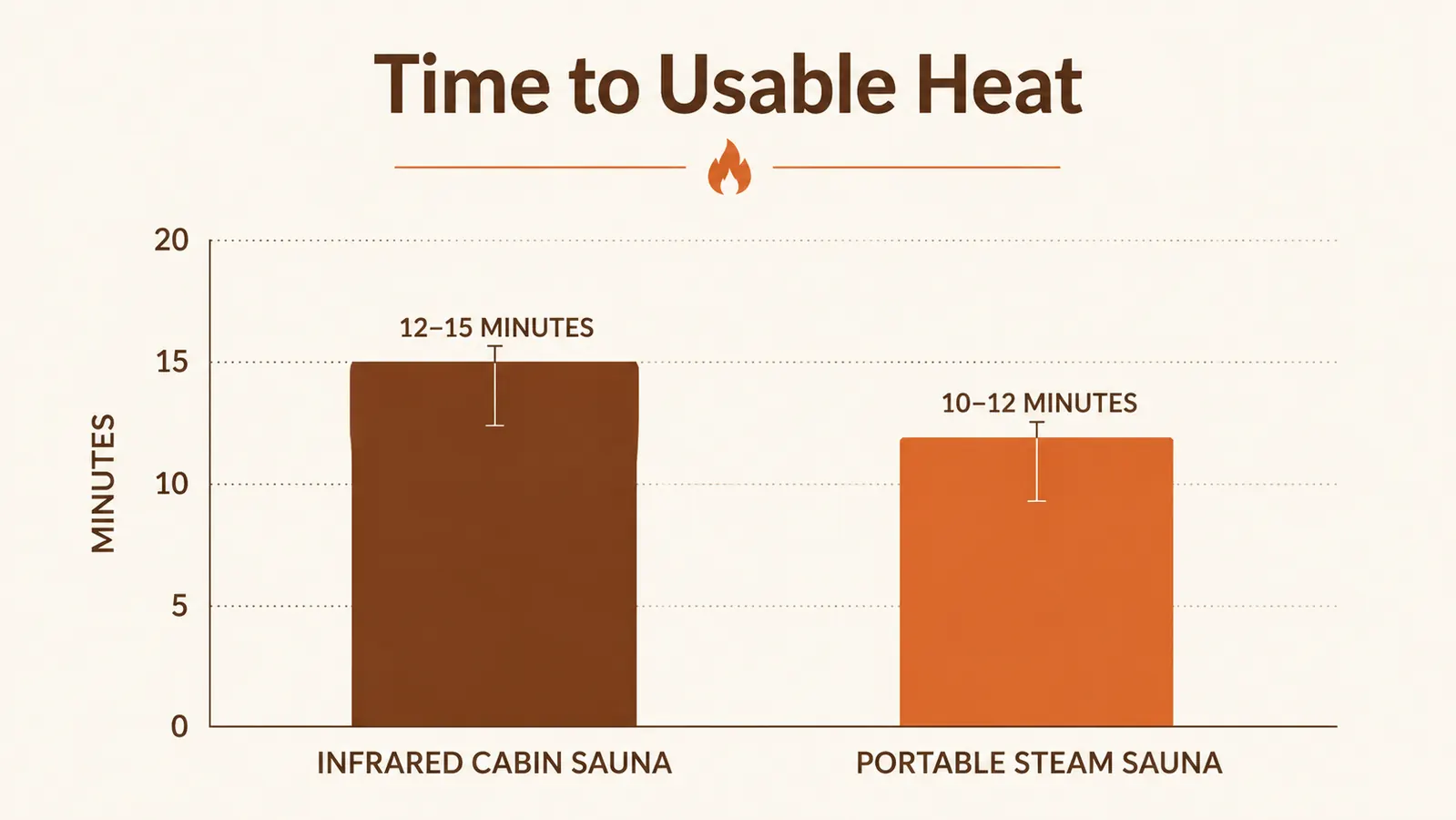
| Time to Usable Heat | About 12 to 15 minutes to a comfortable operating temperature | About 10 to 12 minutes to first steam |
| Interior Space | Oversized single-person cabin with room to stretch out and shift position | Snug tent, mostly seated, limited room to move |
| Setup Style | Assembled once, stays in place as furniture | Folds flat, set up and broken down most sessions |
| Extra Features | Chromotherapy lighting, MP3 auxiliary input, foot warmer plate | Folding stool, basic on/off steam control |
| Noise Level | Nearly silent, faint electrical hum from the panels | Noticeable cycling hum from the steam generator |
| Post-Session Cleanup | Wipe down wood interior, no standing moisture | Damp tent interior needs airing out to avoid mildew smell |
| Typical Price Range | Check today's price on Amazon | Mid-range to higher-end |
| Footprint When Not in Use | Stays assembled, permanent footprint of roughly 4 feet square | Folds into a bag, fits under a bed or in a closet |
Where the Heat Wave Cabin Wins
The difference I noticed first was how the heat actually feels on skin. Infrared panels warm you directly, the way sunlight warms your arm on a car ride, rather than heating the air around you the way steam does. That meant I could sit comfortably at a lower thermostat setting than I expected, and the heat didn't feel like it was fighting against the room's air conditioning the way the steam tent's humidity did on warmer evenings. By the third week, I noticed I was staying in for the full 30 minutes without checking the clock, something I rarely did in the steam tent past the 20 minute mark.
Space made a bigger difference than I expected going in. The Harmony Deluxe's cabin is genuinely oversized for a single person, and I could shift my legs, lean back against the bench, or change position without bumping a wall or fabric panel. In the steam tent, I mostly sat still because there wasn't anywhere else to put my elbows. That sounds minor until you're 25 minutes into a session and your back is stiff from holding one position, which happened to me more than once in the borrowed tent.
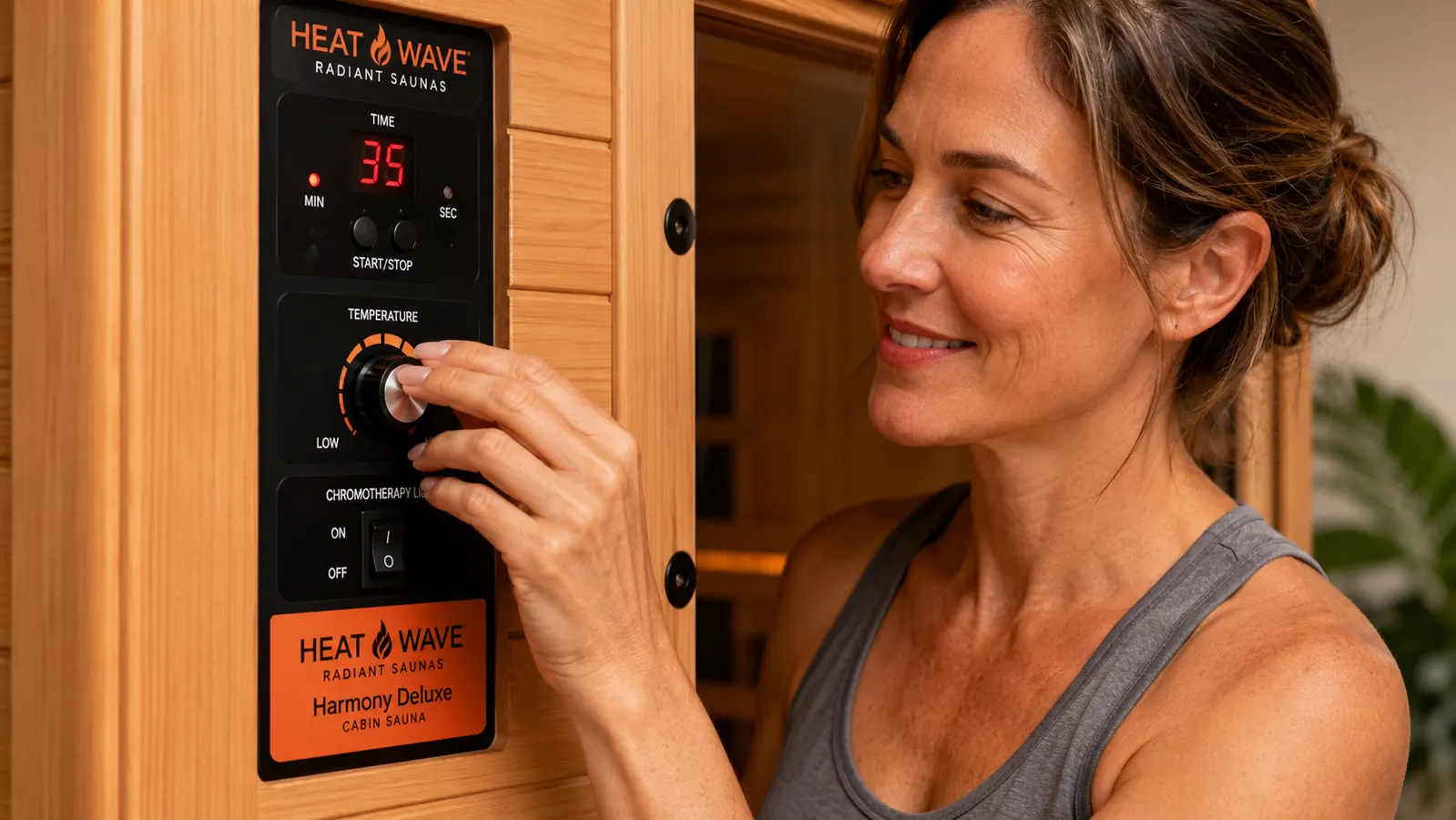
The chromotherapy lighting and MP3 hookup felt like gimmicks the first time I saw them listed, and I'll admit I was skeptical. In practice, dimming the cabin lights to a soft amber and running a quiet playlist through the aux input turned my sessions into something closer to a wind-down ritual than a chore I was checking off. The steam tent has no equivalent, and by week four of using the cabin regularly, I noticed I looked forward to that part of the evening in a way I never did with the tent.
Noise and cleanup are the two details nobody warns you about ahead of time. The steam generator on the borrowed tent has a steady cycling hum that kicks on and off to hold temperature, and I heard it every single session. The Harmony Deluxe's panels run almost silent, just a faint electrical hum you stop noticing within a minute. And because there's no standing moisture inside a wood cabin the way there is in a steam tent's fabric interior, I never dealt with the faint musty smell that started showing up in the borrowed tent by its fourth week of regular use.
Because the cabin stays assembled as a permanent piece in my basement corner, I never had the mental friction of deciding whether setup was worth it on a tired weeknight. The steam tent required unfolding the frame, connecting the hose to the generator, and waiting for it to come up to temperature every single time, and on at least four occasions over six weeks I skipped a planned session simply because I didn't want to deal with assembly. That kind of friction adds up fast, and it's probably the single biggest reason the cabin has stayed in near-daily rotation while the borrowed tent went back to my neighbor without much protest from me.
The foot warmer plate built into the cabin floor turned out to be a small detail I didn't expect to care about, but on cooler evenings it made the whole session feel more complete, especially compared to sitting on a folding stool with cold feet on a tile floor inside the steam tent.
Durability over time is the other thing I couldn't judge in week one but can speak to now. The hemlock wood interior of the Harmony Deluxe still looks and smells the way it did on day one, no warping, no seams pulling apart, nothing that suggests it's wearing out faster than expected. My neighbor mentioned her steam tent's zipper had started catching after a few months of regular use before she lent it to me, which lines up with what I've heard from other steam tent owners. Wood and metal simply hold up to repeated daily use in a way that folding fabric and plastic poles tend not to.
Where the Steam Sauna Wins
I want to give the steam tent its due, because for the right person it's a genuinely smart buy. Price is the obvious one. A basic portable steam sauna typically runs in the mid range, less than half of what the Harmony Deluxe costs, and for someone who just wants to test whether home sauna sessions fit their routine before committing to something bigger, that lower entry point removes a lot of the risk. It's a real, honest way to try the habit without a big upfront decision.
Storage is the other place the steam tent has a clear edge. It folds down into a bag that slides under a bed or into a closet shelf, which matters a lot if you're in an apartment or a shared house where a permanent 4-foot cabin simply isn't an option. The Harmony Deluxe, once assembled, is furniture. It's not something you tuck away between sessions, and if floor space is genuinely tight, that's a legitimate reason to lean toward the tent instead.
Some people also prefer the feel of wet heat over dry heat, and that's a real personal preference, not a flaw in either product. If you grew up with a traditional steam room at a gym or spa and that humid, enveloping heat is what you associate with a good sauna session, the infrared cabin's drier heat might take some getting used to, or might never feel quite the same to you no matter how long you give it.
The steam tent is also easier to move between rooms or bring along if you're staying somewhere temporarily, since it packs into a single bag with the folding stool. If your living situation isn't settled yet, or you're testing this out in a rental before deciding to invest in a permanent setup, that portability is worth something the cabin simply can't offer.
The heat that actually gets used, not stored in a closet
If assembly friction is what's been keeping you out of the sauna habit, the Harmony Deluxe removes that excuse entirely. Check today's price and availability on Amazon.
Amazon Check Today's Price on Amazon →
Who Should Buy Which
If you've got a corner of a basement, spare room, or garage you can dedicate permanently, and you know you want sauna sessions to become a real weekly habit rather than an occasional novelty, the Heat Wave Harmony Deluxe is the better long-term investment. The larger interior, quieter operation, and near-zero setup friction are exactly the details that keep something in regular rotation instead of drifting into occasional use after the first month. It's also the more comfortable option if you tend to run sessions on the longer side, since there's actual room to shift position without bumping a wall.
The portable steam tent makes more sense if you're renting, short on floor space, or genuinely unsure whether a home sauna routine is going to stick for you. It'll deliver real steam heat and a real relaxation session for a fraction of the cost, and folding it away when you're not using it is a legitimate advantage if space is tight. Just go in expecting more setup friction per session and a bit more maintenance to keep the tent interior from developing that damp, musty smell over time.
Budget matters here too, and it's worth being honest about it. If the choice is genuinely between the steam tent now or waiting several months to save for the cabin, buy the steam tent and start building the habit. A real sauna session on a budget setup beats no sauna session while you wait to afford the nicer one. You can always upgrade to the cabin once you've confirmed the routine sticks, and by then you'll know exactly which features from this comparison actually matter to you.
If you're on the fence, think honestly about how many times you skipped a workout or a habit purely because setup felt like a hassle. That same friction shows up with a steam tent you have to assemble every time, and it's the reason my borrowed unit saw less use toward the end of six weeks than it did in week one. The cabin, by contrast, only asked me to open a door and sit down, and that difference alone explains most of the gap in how often each one actually got used in my house.
See why this one stayed in daily rotation
Between the two, the Heat Wave Harmony Deluxe is the sauna that earned a permanent spot in my basement instead of getting packed away after the first month. See its current price on Amazon.
Amazon Check Today's Price on Amazon →